

One of the most painful questions survivors ask after leaving a narcissistic relationship is, “Why does a narcissist come into the life of an empath? “It is a question that often lingers long after the relationship ends.”
Many survivors desperately search for an answer, wondering whether the relationship was simply bad luck or whether deeper psychological patterns were at play. Although the emotional wounds may begin to heal, the search for meaning often remains long after the relationship has ended.
Many people believe empaths somehow attract narcissists because they are too kind. Others think the relationship is simply bad luck. However, the reality is far more complex.
Human relationships are shaped by personality, childhood experiences, attachment patterns, boundaries, and unconscious psychological processes.
Carl Jung, the founder of analytical psychology, never specifically wrote that narcissists are destined to enter the lives of empaths.
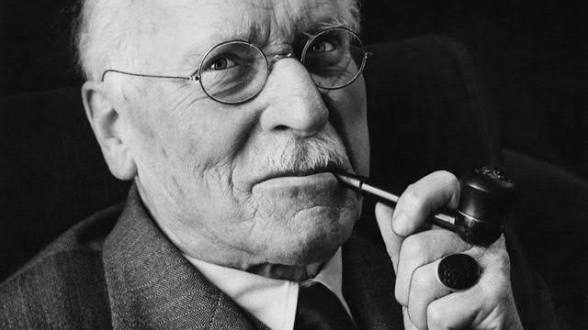
Nevertheless, many of his theories help explain why certain relationships feel almost impossible to escape and why they often become turning points in a person’s life.
This article explores that question from both a Jungian and a modern clinical perspective. It does not suggest that abuse happens for a reason or that anyone deserves mistreatment.
Instead, it examines how painful experiences can reveal hidden psychological patterns and ultimately become opportunities for healing.
Carl Jung‘s Theory of the Unconscious
To understand why a narcissist may appear in an empath’s life, we first need to understand Carl Jung’s view of the human mind.
Jung believed that much of our behavior is guided by the unconscious. These hidden thoughts, beliefs, memories, and emotional patterns influence the choices we make without our awareness.
According to Jung, people often believe they are making completely rational decisions. In reality, many choices are influenced by unresolved emotional experiences that remain buried beneath consciousness.
This is why two people can experience the same situation very differently. One person notices manipulation immediately.
Another overlooks repeated warning signs because unconscious emotional needs influence how they interpret the relationship.Jung famously emphasized the importance of making the unconscious conscious.
Although the quote often shared online is a simplified version of his writings, the central idea remains true.
Until people recognize their hidden patterns, those patterns continue shaping their lives.For many survivors of narcissistic abuse, this realization becomes the first step toward recovery.
The Shadow Is Not Your Enemy
One of Jung’s most influential concepts is the shadow.
Popular culture often describes the shadow as the dark side of personality.
Jung’s understanding was much deeper.The shadow contains every part of ourselves that we reject, suppress, or never fully develop.
Sometimes those qualities include anger, jealousy, fear, or resentment. Surprisingly, the shadow may also contain confidence, assertiveness, healthy selfishness, and the ability to protect ourselves.
Many people who identify as empaths have spent years developing compassion while neglecting healthy boundaries.
Imagine a woman. Since childhood, she learned that keeping everyone happy reduced conflict at home.
Whenever someone became angry, she apologized even when she had done nothing wrong.
Over time, pleasing others became part of her identity. Years later, she meets a charming man who showers her with attention.
At first, he seems deeply caring. Gradually, however, he becomes controlling. He criticizes her decisions, isolates her from friends, and blames her whenever problems arise.
Instead of leaving, She works even harder to save the relationship. She believes that if she becomes more understanding, more patient, and more loving, things will improve.
Unfortunately, they do not. From a Jungian perspective, her greatest challenge is not simply the narcissist standing in front of her.
Her greatest challenge is the unconscious belief that love must always be earned through self sacrifice.
Once that belief becomes conscious, everything begins to change.She no longer mistakes suffering for love.
She no longer believes boundaries are selfish.She no longer feels responsible for rescuing people who refuse to change.
That transformation represents the beginning of what Jung called individuation, the lifelong process of becoming your authentic self.
What Modern Psychology Says About Narcissistic Relationships
While Jung helps us understand unconscious patterns, modern psychology explains narcissistic relationships through research on personality, attachment, and trauma.
Psychologist Otto Kernberg, one of the world’s leading experts on narcissistic personality organization, proposed that pathological narcissism often develops alongside fragile self esteem, defensive grandiosity, and difficulties maintaining stable relationships.

Clinical research also shows that many survivors develop symptoms associated with chronic stress.
These may include anxiety, depression, hypervigilance, insomnia, emotional numbness, and symptoms consistent with post traumatic stress.
Importantly, there is no medication that treats narcissistic personality disorder itself.
However, psychiatrists may prescribe medication to help manage related conditions such as major depression, anxiety disorders, or sleep disturbances when clinically appropriate.
Medication is most effective when combined with evidence based psychotherapy under the guidance of a qualified mental health professional.
Therefore, recovery involves much more than understanding the narcissist. It requires understanding yourself, rebuilding boundaries, processing trauma, and developing healthier relationship patterns.
The Role of Projection
Carl Jung’s theory of projection offers another valuable perspective.
Projection is one of the central ideas in analytical psychology.
Jung believed that people unconsciously place their own hidden emotions, fears, desires, and unresolved conflicts onto others.
This process influences how they see the world and the people around them.A narcissistic person often projects feelings of shame, insecurity, and inadequacy onto those closest to them.
Instead of accepting responsibility for mistakes, they may accuse their partner of being selfish, dishonest, overly emotional, or impossible to please.
Over time, the empath begins to question their own reality. This repeated emotional manipulation can slowly damage self confidence.
Eventually, the empath may apologize for things they never did, accept blame that does not belong to them, and constantly seek approval from the very person causing the pain.
Meanwhile, the empath may also project onto the narcissist. Instead of seeing who the narcissist truly is, they often see who that person could become.
They fall in love with potential rather than consistent behavior. That hope keeps many survivors trapped for years.
They remember the affectionate person from the beginning of the relationship and believe that version will eventually return.
Unfortunately, healthy relationships are built on consistent actions, not occasional moments of kindness.
Recognizing these projections allows survivors to see the relationship more clearly and begin making decisions based on reality instead of hope.
How Childhood Experiences Can Shape Relationship Patterns
Another important answer to why does a narcissist come into the life of an empath involves early life experiences.
Modern psychology shows that childhood relationships strongly influence adult attachment patterns.
A child who grows up receiving love only after pleasing others may unconsciously learn that acceptance must be earned.
As an adult, they may become exceptionally caring, patient, and forgiving. Although these qualities are admirable, they can also make it difficult to recognize unhealthy behavior.
The narcissistic partner often interprets this endless compassion as unlimited emotional availability.
This does not mean childhood experiences determine a person’s future. Instead, they create patterns that remain active until they become conscious.
This idea closely reflects Jung’s belief that unconscious material influences adult behavior until it is recognized and integrated.
Awareness changes the pattern. Healing changes future relationships.
When Compassion Turns Into Self-Abandonment
Many survivors confuse compassion with self sacrifice.
There is an important difference.Compassion allows you to care about another person’s suffering.
Self abandonment requires ignoring your own suffering to protect someone else.
A healthy relationship allows both people to express emotions, make mistakes, and grow together.
An unhealthy relationship expects one person to carry the emotional weight while the other avoids accountability.
Many empaths remain because they believe leaving means giving up on someone they love.
In reality, protecting yourself is not the opposite of love. It is an act of emotional maturity. Healthy boundaries do not reduce compassion. They protect it.
What Healing Can Look Like After Narcissistic Abuse
Carl Jung described individuation as the lifelong process of becoming psychologically whole.
For many survivors, this journey begins only after the narcissistic relationship ends.
At first, life may feel empty.
The silence feels unfamiliar.
There are no daily arguments.
No emotional confusion.
No constant need to explain yourself.
Although freedom has finally arrived, the nervous system often remains trapped in survival mode.
This stage is completely understandable. Recovery takes time.
Gradually, however, something remarkable begins to happen.
The survivor starts trusting their own intuition again. They learn to say no without guilt. They discover interests that were forgotten during the relationship.
Their confidence slowly returns.Instead of asking, “How do I make other people happy?” they begin asking, “What kind of life reflects my values?”
This shift represents genuine psychological growth.The narcissist may have entered the story through manipulation, but the survivor leaves the story with greater self awareness, stronger boundaries, and a clearer identity.
That transformation reflects one of Jung’s deepest ideas. Pain does not automatically create wisdom. Reflection does.
A Clinical Perspective on Recovery
Recovery from narcissistic abuse often involves more than emotional insight.
Many survivors experience symptoms that deserve professional attention. These may include anxiety, depression, panic attacks, chronic stress, insomnia, emotional numbness, intrusive memories, and difficulty trusting others.
Licensed psychologists and psychiatrists may recommend evidence based treatments such as Cognitive Behavioral Therapy, trauma focused therapy, Eye Movement Desensitization and Reprocessing for appropriate cases, or other therapeutic approaches based on an individual’s needs.
When depression, anxiety, or sleep problems become severe, a psychiatrist may prescribe medication as part of a comprehensive treatment plan. Medication does not erase trauma.
Instead, it may reduce symptoms enough for therapy and daily functioning to become more effective.
Seeking professional help is not a sign of weakness. It is often one of the strongest decisions a survivor can make.
Understanding why a narcissist came into your life is valuable. Healing from the experience is even more important.
The Deeper Lesson Behind the Relationship
By now, you may have noticed that there is no single answer to why does a narcissist come into the life of an empath.
From a Jungian perspective, these relationships often expose unconscious patterns that have remained hidden for years.
From a clinical perspective, they may reflect attachment styles, trauma responses, learned relationship behaviors, and personality dynamics.
Neither perspective suggests that abuse is deserved or spiritually assigned.Instead, both point toward the same truth.
Painful relationships often reveal what healthy relationships could not.They expose weak boundaries.
They uncover unresolved childhood beliefs. They reveal fears of rejection, abandonment, or conflict.
Most importantly, they create an opportunity to become more self aware. Awareness does not erase the past.
However, it changes the future. Once unhealthy patterns become conscious, they no longer have the same power.
That is why many survivors eventually notice something remarkable. The type of people they attract begins to change because the type of behavior they tolerate has changed.
How to Break Repeating Relationship Patterns
If you have been wondering why does a narcissist come into the life of an empath, the next question is even more important.
How do you make sure it never happens again?
Healing requires intentional action.Learn to recognize red flags instead of explaining them away.
Trust consistent behavior more than beautiful words.Set boundaries early instead of waiting until resentment builds.
Allow people to earn your trust over time. Accept that love without respect cannot become a healthy relationship.
Most importantly, stop believing it is your responsibility to rescue people who refuse to take responsibility for themselves.
Healthy love grows through mutual effort. It never depends on one person sacrificing their identity.
Finding a Different Ending After Narcissistic Abuse
Imagine two people who experience the same narcissistic relationship.
The first survivor spends years trying to understand why the narcissist behaved the way they did.
The second survivor asks a different question.
“What inside me believed I had to stay?”
That single question changes everything.
The focus shifts from the narcissist to personal healing.
This is where transformation begins. The survivor develops confidence instead of constant self doubt.
They choose peace instead of emotional chaos.
They stop confusing intensity with intimacy.
Eventually, they discover something they had been searching for throughout the relationship.
Themselves.
Perhaps that is the deepest lesson of all.
The greatest victory is not changing the narcissist.
It is becoming the person who no longer accepts emotional manipulation as love.
Although the journey may leave deep emotional wounds, it can also lead to greater wisdom.
Many survivors become stronger not because of the abuse itself, but because healing teaches them self respect, emotional boundaries, and authentic self acceptance.
Your past does not define your future.
Every healthy boundary you set today changes the relationships you will experience tomorrow.
The narcissist may have been a chapter in your story.
They never have to become the ending.
Related Articles
How Narcissists Are Made: The Psychology Behind It
Can Narcissism Be Treated? Understanding Recovery, Therapy, and Clinical Reality
Narcissist vs Sociopath: What’s the Difference?
Why does a narcissist smear your name
Gaslighting in Relationships: How Manipulation Works?
FAQs
From a Jungian perspective, difficult relationships can reflect unconscious patterns that invite personal growth. A narcissist may symbolize aspects of yourself that need awareness, such as boundaries, self-worth, or unrecognized needs
A Jungian interpretation suggests that unresolved unconscious patterns, emotional wounds, and projections may keep people attached until they become conscious of these dynamics.
From a Jungian perspective, the lesson is often individuation it is the process of becoming your authentic self by developing healthy boundaries, integrating your shadow, and living with greater psychological wholeness
Jungian psychology suggests that painful relationships can become catalysts for growth if the person reflects on the experience, heals unresolved wounds, and develops greater self-awareness. This does not mean abuse is necessary or beneficial in itself
By becoming conscious of unconscious patterns, integrating the shadow, establishing healthy boundaries, and continuing the process of individuation, an empath can reduce the likelihood of repeating the same relationship dynamics.
References
- American Psychiatric Association. Diagnostic and Statistical Manual of Mental Disorders, Fifth Edition, Text Revision (DSM-5-TR).American Psychiatric Publishing.
- Jung, C. G. The Archetypes and the Collective Unconscious.
- Kernberg, Otto F. Borderline Conditions and Pathological Narcissism.
- World Health Organization. International Classification of Diseases (ICD-11).
Reviewed by Ainna Ross
This article is grounded in published psychological research and my own experience recovering from narcissistic abuse. Read more about my background. It's for educational purposes only and isn't a substitute for professional diagnosis or care.
