

Many people ask themselves, “Are you a narcissist?” after an argument, a failed relationship, or reading a post on social media. Today, the word narcissist appears everywhere. However, true narcissism is far more complex than being confident, selfish, or enjoying attention.
In fact, psychology makes an important distinction between everyday narcissistic traits and Narcissistic Personality Disorder, commonly called NPD. Therefore, asking yourself, “Are you a narcissist?” is not about finding a label. Instead, it is an opportunity to understand your patterns, improve self awareness, and strengthen your relationships.
This article explores narcissism from psychological, clinical, and research based perspectives. You will also learn what experts have discovered, how narcissism develops, when professional help becomes necessary, and why self diagnosis often leads to misunderstanding.
Are You a Narcissist or Simply Confident?
Confidence allows people to recognize their strengths while respecting the abilities of others. A confident person can celebrate success, admit mistakes, and learn from criticism.
A narcissistic personality works differently. Instead of building genuine self esteem, it often depends on admiration, validation, and control. Consequently, criticism may feel unbearable because it threatens a fragile sense of identity hidden beneath an appearance of superiority.
The well known psychologist Dr. Heinz Kohut, founder of Self Psychology, argued that narcissism often develops when important emotional needs remain unmet during childhood.
According to his work, some people create an idealized version of themselves to protect a vulnerable inner self. His research changed how clinicians understand narcissistic personality patterns and influenced modern psychotherapy.
Therefore, confidence creates connection, whereas pathological narcissism frequently creates emotional distance.
Are You a Narcissist? Seven Psychological Signs Worth Exploring
The following signs do not automatically mean someone has Narcissistic Personality Disorder. Nevertheless, if several patterns appear consistently across different relationships and situations, professional evaluation may be helpful.
1. You Need Constant Validation
Everyone enjoys appreciation. However, if your mood depends almost entirely on praise, compliments, or recognition, deeper emotional issues may exist.
For example, imagine a manager who receives excellent performance reviews. Despite this success, one small piece of constructive feedback ruins the entire week because it feels like a personal attack rather than helpful guidance.
2. You Struggle With Genuine Empathy
Empathy means understanding another person’s emotional experience.
People with strong narcissistic traits often recognize emotions intellectually. However, they may struggle to truly connect with another person’s pain, especially when their own needs compete for attention.
As a result, conversations frequently return to themselves.
3. You Believe Rules Should Not Apply to You
Healthy self-respect accepts both rights and responsibilities.
By contrast, narcissistic thinking often creates a sense of entitlement. Consequently, special treatment feels deserved regardless of circumstances.
This pattern may appear at work, within friendships, or inside romantic relationships.
4. Criticism Feels Like a Personal Attack
Most people dislike criticism. Nevertheless, emotionally healthy individuals usually recover after reflection.
Someone with significant narcissistic traits may respond with anger, denial, blame, or complete withdrawal because criticism threatens their carefully maintained self-image.
5. Relationships Often Become Power Struggles
Healthy relationships involve cooperation.
However, narcissistic patterns frequently transform ordinary disagreements into competitions that must be won.
Therefore, compromise becomes increasingly difficult.
6. You Feel Superior Yet Secretly Insecure
This combination surprises many people.
Although narcissistic individuals often appear extremely confident, research suggests that many experience hidden insecurity beneath the surface.
Grandiosity may function as psychological protection rather than genuine confidence.
7. You Rarely Accept Personal Responsibility
When problems occur, blame consistently shifts toward coworkers, partners, friends, or family members.
Although everyone makes excuses occasionally, persistent avoidance of responsibility may indicate unhealthy personality patterns.
Clinical Perspective on Narcissistic Personality Disorder
According to modern psychiatric guidelines, Narcissistic Personality Disorder is a recognized mental health condition rather than simply a personality flaw.
Mental health professionals evaluate long term patterns involving grandiosity, excessive need for admiration, impaired empathy, and significant difficulties in relationships or daily functioning.Importantly, diagnosis requires comprehensive clinical assessment.
Therefore, online quizzes, short videos, or social media posts cannot accurately diagnose personality disorders.
Furthermore, psychologists carefully distinguish NPD from other conditions because several disorders may share similar characteristics.
DSM 5 Criteria for Narcissistic Personality Disorder Explained
Mental health professionals do not diagnose Narcissistic Personality Disorder based on a single behavior or one difficult relationship. Instead, psychologists and psychiatrists rely on the Diagnostic and Statistical Manual of Mental Disorders, Fifth Edition commonly known as the DSM 5.
It provides standardized diagnostic criteria that help clinicians distinguish personality disorders from normal personality traits.
According to the DSM 5, Narcissistic Personality Disorder involves a long standing pattern of grandiosity, a constant need for admiration, and impaired empathy that begins by early adulthood and appears across many different situations.
A person typically displays several characteristics such as believing they are uniquely special, exaggerating achievements, expecting special treatment, taking advantage of others for personal gain, struggling to recognize the emotional needs of others, envying successful people, believing others envy them, and displaying arrogant attitudes or behaviors.However, these traits must create meaningful difficulties in relationships, work, or daily functioning before a diagnosis is considered.
Therefore, someone who occasionally behaves selfishly or enjoys recognition should not automatically be labeled a narcissist.Another important point is that personality disorders exist on a spectrum.
Some people show narcissistic traits without meeting the full diagnostic criteria for Narcissistic Personality Disorder. This distinction helps prevent unnecessary labeling and encourages more accurate understanding.
The Different Types of Narcissism
When many people hear the word narcissist, they imagine someone who constantly boasts about success and demands attention. First the Grandiose narcissists.
These individuals often appear charming, ambitious, dominant, and highly confident. They seek admiration and may react aggressively when their self image is challenged.
Vulnerable narcissism, sometimes called covert narcissism, is far less obvious. Instead of appearing openly superior, these individuals may seem shy, insecure, misunderstood, or emotionally sensitive.
Nevertheless, they often maintain an underlying belief that they deserve more recognition than they receive.
Consequently, criticism feels deeply painful and relationships become emotionally unstable.Communal narcissism presents another interesting pattern.
Rather than seeking admiration for wealth or appearance, these individuals want recognition for being the kindest, most generous, or most morally superior person in the room.
Their helping behavior may become another source of validation rather than genuine compassion.
Finally, psychologists describe malignant narcissism as the most destructive form. This pattern combines narcissistic traits with aggression, manipulation, paranoia, and in some cases antisocial characteristics.
Although not an official DSM diagnosis, the concept helps clinicians understand highly exploitative personalities.
Recognizing these differences prevents people from assuming every narcissist behaves in exactly the same way.
Brain Science Behind Narcissism
Modern neuroscience suggests that narcissism involves more than personality alone.
Researchers continue investigating how certain brain regions influence empathy, emotional regulation, and self perception.
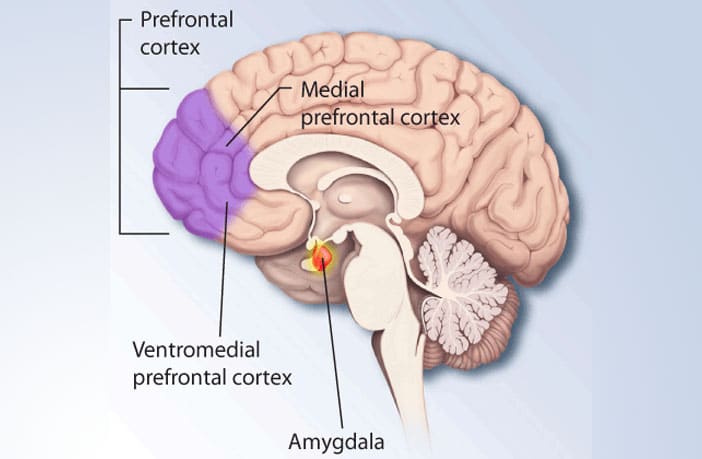
Several studies have found differences in areas involved in emotional processing, including parts of the prefrontal cortex and the anterior insula.
These regions contribute to understanding emotions, regulating impulses, and appreciating another person’s perspective.Scientists caution that brain imaging does not diagnose Narcissistic Personality Disorder.
Instead, these findings help explain why some individuals consistently struggle with empathy or emotional regulation.The brain also changes through experience.
Therefore, psychotherapy, healthy relationships, and emotional learning may gradually strengthen more adaptive patterns of thinking and behavior.
This concept, known as neuroplasticity, reminds us that personality is influenced by biology but is not determined entirely by it.
Medication and Clinical Treatment
Many people ask whether medication can cure narcissism.Currently, no medication specifically treats Narcissistic Personality Disorder itself.
However, psychiatrists sometimes prescribe medication when related conditions occur alongside narcissistic traits.
These conditions may include depression, anxiety disorders, chronic irritability, insomnia, or mood instability.Treatment decisions always depend on individual assessment.
Psychotherapy remains the primary evidence based treatment.Several therapeutic approaches may help depending on the person’s needs.
Cognitive Behavioral Therapy may improve thinking patterns and emotional regulation.Psychodynamic psychotherapy explores unconscious emotional conflicts and early developmental experiences.
Schema Therapy focuses on deeply rooted emotional beliefs formed during childhood.
Mentalization Based Therapy may strengthen empathy and improve understanding of both personal emotions and the emotions of others.
Meaningful progress usually requires patience because personality patterns often develop across many years.
Why Self Diagnosis Can Be Misleading
Social media has dramatically increased awareness of narcissism.
Unfortunately, it has also increased misunderstanding.Someone may occasionally seek attention, become defensive, or act selfishly without having Narcissistic Personality Disorder.
Similarly, anxiety, trauma, perfectionism, bipolar disorder, autism spectrum conditions, and certain attachment styles may sometimes resemble narcissistic behaviors in specific situations.
Therefore, careful clinical evaluation remains essential.
What Causes Narcissistic Patterns?
Researchers believe narcissism develops through multiple interacting factors rather than one single cause.
Possible contributing influences include genetics.Brain development may also influence emotional regulation and interpersonal functioning.
Additionally, childhood experiences often play an important role.Some individuals grow up receiving excessive admiration without realistic boundaries.
Others experience emotional neglect, inconsistent caregiving, harsh criticism, or conditional love.
As a result, they may create an exaggerated self image that protects deep emotional vulnerability.
Current psychological research supports a combination of biological, developmental, and environmental influences rather than one universal explanation.
Are You a Narcissist? Questions for Honest Self Reflection
Before labeling yourself, consider these questions.
Do you genuinely care how your actions affect others?
Can you admit mistakes without immediately becoming defensive?
Do you apologize sincerely when you hurt someone?
Can you celebrate another person’s success without feeling threatened?
Do your relationships involve mutual respect rather than constant control?
These questions encourage reflection rather than diagnosis.
Final Analysis on Are You a Narcissist
If you have honestly wondered, “Are you a narcissist?”
that question alone demonstrates a level of self reflection that many individuals with severe narcissistic pathology struggle to maintain.
Nevertheless, self awareness does not automatically rule out unhealthy patterns.The healthiest response is curiosity instead of self judgment.
Learn about your emotional habits. Listen to trusted feedback. Build empathy intentionally.
Most importantly, seek guidance from a qualified psychologist or psychiatrist if these patterns consistently damage your relationships, career, or emotional wellbeing.
Real psychological growth begins when the desire to understand yourself becomes stronger than the desire to protect your ego.
That journey may be uncomfortable. However, it often becomes the beginning of healthier relationships, greater emotional maturity, and a more authentic sense of self.
Related Articles
Why does a narcissist smear your name
Narcissist vs Sociopath: What’s the Difference?
Can Narcissism Be Treated? Understanding Recovery, Therapy, and Clinical Reality
How Narcissists Are Made: The Psychology Behind It
Why Narcissists Hate Happy People
FAQs
No. Healthy self love is not narcissism. People with healthy self esteem appreciate their strengths while also accepting their flaws and respecting others. Narcissism becomes a concern when a person’s self importance is excessive, empathy is consistently limited, and admiration becomes necessary to maintain self worth.
Yes. Many people display narcissistic traits from time to time, especially during periods of stress or success. However, having a few traits does not mean someone has Narcissistic Personality Disorder. A diagnosis requires a comprehensive evaluation by a qualified mental health professional.
Yes, meaningful change is possible, but it usually requires genuine self awareness, a willingness to accept responsibility, and long term psychotherapy. Progress is often gradual because personality patterns develop over many years and do not change overnight.
Researchers believe narcissism develops through a combination of genetic factors, early childhood experiences, attachment patterns, and environmental influences. Some individuals grow up with excessive praise and few boundaries, while others experience emotional neglect or conditional love. There is rarely a single cause.
Genetics may increase a person’s vulnerability to developing narcissistic traits, but genes alone do not determine personality. Family relationships, parenting style, childhood experiences, and social environment all contribute to personality development.
There is currently no medication approved specifically for Narcissistic Personality Disorder. However, a psychiatrist may prescribe medication if a person also experiences conditions such as depression, anxiety, or mood instability. Psychotherapy remains the primary evidence based treatment.
Psychologists and psychiatrists use detailed clinical interviews, psychological assessment, and the diagnostic criteria outlined in the DSM 5. They evaluate long term personality patterns rather than isolated behaviors. Online quizzes and social media posts cannot provide a reliable diagnosis.
No. Although some people with severe narcissistic traits engage in emotional manipulation or controlling behavior, not every person with narcissistic characteristics is abusive. Likewise, abusive behavior can occur in individuals who do not have Narcissistic Personality Disorder.
If narcissistic traits are causing repeated conflict, relationship difficulties, emotional distress, or problems at work, speaking with a licensed psychologist or psychiatrist can be helpful. A professional assessment provides a far more accurate understanding than self diagnosis and can guide appropriate treatment if needed.
References
- American Psychiatric Association. (2022). Diagnostic and Statistical Manual of Mental Disorders (5th ed., Text Revision).
- American Psychiatric Publishing.Kohut, H. (1971). Kohut, H. (1971). The Analysis of the Self: A Systematic Approach to the Psychoanalytic Treatment of Narcissistic Personality Disorders. International Universities Press.
- Kernberg, O. F. (1975). Borderline Conditions and Pathological Narcissism. Jason Aronson.
Reviewed by Ainna Ross
This article is grounded in published psychological research and my own experience recovering from narcissistic abuse. Read more about my background. It's for educational purposes only and isn't a substitute for professional diagnosis or care.
