
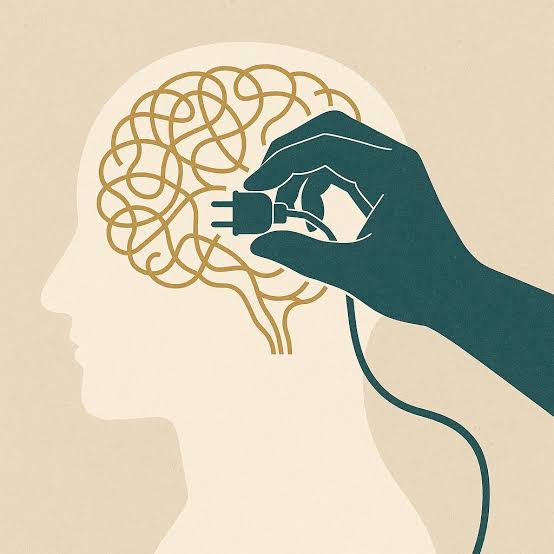
Living in survival mode often feels like you’re constantly reacting to life instead of truly living it.
In psychology, survival mode refers to a state in which the brain and nervous system prioritize protection over growth.This response evolved to keep human beings alive.
When danger appears, the brain rapidly shifts resources toward survival. Heart rate increases. Muscles prepare for action. Attention narrows. The body becomes ready to fight, flee, freeze, or seek protection.
In true emergencies, this system works remarkably well.Problems emerge when the nervous system continues responding as if danger exists long after the threat has passed.
A difficult childhood, chronic stress, emotional neglect, abusive relationships, financial instability, bullying, medical trauma, or repeated exposure to unpredictable environments can teach the brain that the world is unsafe.
Over time, vigilance becomes normal.The individual no longer reacts to danger.Instead, they begin living as though danger is always present.
As a result, survival mode gradually transforms from a temporary response into a lifestyle.
The Neuroscience Behind Living in Survival Mode
To understand the signs you are living in survival mode, we must first understand what happens inside the brain.
One of the most important structures involved is the amygdala.The amygdala functions as the brain’s threat detection center. It continuously scans the environment for signs of danger.
When it detects a threat, it sends an alarm signal throughout the body.In response, the hypothalamus activates the stress response system.
The adrenal glands then release cortisol and adrenaline.These hormones prepare the body for action by increasing alertness, raising blood pressure, and redirecting energy toward survival functions.
In short term emergencies, this process protects us.However, chronic stress changes the equation.When the brain repeatedly activates the stress response, the nervous system begins treating ordinary situations as potential threats.
A delayed text message feels alarming.
Constructive criticism feels devastating.Minor mistakes feel dangerous.Uncertainty feels intolerable.
Meanwhile, areas of the brain responsible for emotional regulation and rational decision making struggle to function effectively under chronic stress.
This is one reason why people living in survival mode often feel exhausted despite constantly trying to stay in control.Their brains are working overtime.
How Trauma Changes the Nervous System
Trauma experts have spent decades studying the effects of prolonged stress on the human body.
Psychiatrist Bessel van der Kolk famously emphasized that traumatic experiences do not simply exist as memories.

Instead, they become embedded within the body and nervous system.This idea helps explain why some people continue experiencing anxiety, hypervigilance, or emotional reactivity years after difficult experiences have ended.
The body remembers what the conscious mind may no longer actively think about.
Furthermore, researcher Stephen Porges developed Polyvagal Theory, which explores how the nervous system continuously evaluates safety and danger.
According to this perspective, many behaviors that appear irrational actually represent attempts by the nervous system to maintain protection.
For example, excessive productivity, people pleasing, emotional withdrawal, and perfectionism may all function as survival strategies.
They are not character flaws.They are adaptations.Unfortunately, adaptations that once helped a person survive can later interfere with healthy relationships, emotional wellbeing, and personal growth.
Understanding Fight, Flight, Freeze, and Fawn Responses
Most people have heard of the fight or flight response.However, modern trauma research recognizes four primary survival responses.
Fight
The fight response attempts to regain safety through control, confrontation, or dominance.People who rely on this response may become argumentative, highly controlling, perfectionistic, or easily frustrated.Underneath these behaviors often lies fear rather than confidence.
Flight
The flight response seeks safety through action and movement.These individuals stay busy constantly.They overwork.They struggle to relax.They often believe productivity equals worth.Consequently, rest may trigger guilt or anxiety.
Freeze
The freeze response occurs when the nervous system feels overwhelmed.Instead of fighting or escaping, the individual becomes immobilized.They may procrastinate, disconnect emotionally, or feel numb.Others often mistake this response for laziness.In reality, it reflects nervous system overload.
Fawn
The fawn response seeks safety through approval.People who rely heavily on this strategy prioritize other people’s needs while neglecting their own.
They avoid conflict.They fear disappointing others.They often become chronic people pleasers.Although these responses differ, they all serve the same purpose.They attempt to create safety.
Sign 1 Of Living In Survival mode : You Rush Through Everything Even When There Is No Reason To Hurry
One of the most overlooked signs you are living in survival mode is constant rushing.
Many people assume they simply have a busy personality.
However, deeper examination often reveals something else.Imagine a person walking rapidly through their own home.
They hurry while eating, cleaning, and showering.
Even simple activities feel like races against an invisible clock.
The question is why.
Often, the nervous system has learned that slowing down feels unsafe.The body remains prepared for the next demand before the current task has ended.
As a result, calm moments create discomfort.For example, someone may apply conditioner to their hair and immediately begin scrubbing the bathroom sink rather than waiting peacefully for a minute.
The task itself is not important.The inability to pause is.Over time, this constant urgency contributes to chronic stress, fatigue, and emotional exhaustion.
Sign 2 Of Living In Survival mode : You Feel Guilty Whenever You Rest
Healthy rest should restore energy.Yet many people living in survival mode experience guilt the moment they stop being productive.
They sit on the couch and immediately think about unfinished tasks.They take a day off and feel irresponsible.They spend time relaxing and begin criticizing themselves internally.
This pattern often develops in environments where love, approval, or safety depended on performance.As children, some people learned that achievement reduced criticism.
Others learned that staying useful reduced conflict.Years later, the nervous system continues operating under the same rules.Therefore, rest feels dangerous.
Productivity feels protective.
Unfortunately, this creates a cycle in which exhaustion grows while recovery remains impossible.
Sign 3 Of Living In Survival mode : You Constantly Expect Something To Go Wrong
Another major sign you are living in survival mode involves persistent anticipation of danger.
Even when life appears stable, your mind searches for threats.You receive good news but immediately imagine worst case scenarios.
You enter a healthy relationship but prepare for abandonment.You achieve a goal but worry about losing everything.
As a result, happiness rarely feels secure.Psychologists sometimes refer to this pattern as hypervigilance.
Hypervigilance develops when the brain learns that threats often arrive unexpectedly.Consequently, the nervous system attempts to prevent future pain by staying alert.
Unfortunately, constant vigilance prevents genuine peace.The mind remains occupied with dangers that may never occur.
Sign 4 Of Living In Survival mode : You Struggle To Recognize What You Feel
When survival becomes the priority, emotional awareness often decreases.This happens because the brain focuses on immediate functioning rather than emotional processing.
Instead of asking:
How do I feel?
People ask:
What needs to be done next?
Over time, this creates emotional disconnection.Many adults living in survival mode can easily describe their responsibilities.
However, they struggle to identify their emotions.They know they are tired.They know they are stressed.
Yet they cannot clearly distinguish sadness, disappointment, loneliness, grief, fear, or anger.Consequently, emotional needs remain unmet for years.
The person continues functioning while becoming increasingly disconnected from themselves.
## Sign 5: Your Body Rarely Feels RelaxedTh.
Sign 5 : Your Body Rarely Feels Relaxed
The body often reveals survival mode long before the mind recognizes it.
For this reason, physical symptoms deserve serious attention.
Common signs include:
Tight shoulders
Jaw clenching
Frequent headaches
Digestive discomfort
Chronic fatigue
Restlessness
Difficulty sleeping
Muscle tension
Importantly, physical symptoms always deserve proper medical evaluation because many health conditions can cause similar experiences.
Nevertheless, chronic stress frequently contributes to these symptoms.When the nervous system remains activated for extended periods, the body struggles to return to a restorative state.
Instead of alternating between stress and recovery, the individual remains trapped in prolonged activation.
As months and years pass, this pattern can significantly affect physical and emotional wellbeing.
Sign 6 Of Living In Survival mode: You Constantly Monitor Other People’s Moods
Another important sign you are living in survival mode is becoming highly sensitive to other people’s emotions.
You notice subtle changes in facial expressions.You detect shifts in tone of voice.
You immediately sense tension in a room.At first glance, this may seem like emotional intelligence.
However, there is an important difference between healthy awareness and hypervigilance.
Healthy awareness allows you to understand others while remaining connected to yourself.
Hyper vigilance forces you to constantly scan for potential threats.
For example, a person who grew up with a highly critical parent may learn to monitor every facial expression to predict conflict.
Years later, they continue doing the same thing in friendships, romantic relationships, and workplaces.
As a result, they spend so much energy tracking everyone else’s emotional state that they lose touch with their own needs.
Consequently, relationships become exhausting rather than fulfilling.
Sign 7 Of Living In Survival mode:You Find It Difficult To Enjoy Success
Many people living in survival mode achieve impressive things.They earn degrees ,build careers, raise families.
They overcome significant obstacles.Yet despite these accomplishments, satisfaction remains short lived.
Instead of celebrating success, they immediately focus on the next challenge.Their inner dialogue often sounds like this:”What if I fail next time?””I should be doing more.””This is not enough.
“Because survival mode focuses on preventing danger, the brain struggles to pause and appreciate safety.
Therefore, achievements provide temporary relief rather than genuine fulfillment.Over time, this pattern creates chronic dissatisfaction.
The finish line keeps moving.The person keeps running.However, they rarely feel successful.
Sign 9 Of Living In Survival mode: You Prioritize Functioning Over Healing
Many high functioning adults live in survival mode without realizing it.They continue meeting deadlines, caring for loved ones and appearing successful.
Meanwhile, their emotional wounds remain unaddressed.Society often rewards this behavior.People praise resilience.People admire productivity.People celebrate perseverance.
However, functioning and healing are not the same thing.A person can maintain a successful career while struggling with anxiety.
A person can smile publicly while battling depression.A person can appear strong while feeling emotionally exhausted.
Therefore, one of the clearest signs you are living in survival mode is the tendency to prioritize performance over wellbeing.
The goal becomes getting through the day rather than genuinely recovering.
Sign 10 Of Living In Survival mode: You No Longer Know What Feeling Safe Feels Like
Perhaps the deepest sign you are living in survival mode is difficulty recognizing safety itself.
When someone has spent years anticipating danger, stress becomes familiar.In some cases, calm feels strange.
Silence feels uncomfortable.Peace feels suspicious.The individual may even create unnecessary stress because tension feels more familiar than relaxation.
This does not mean they enjoy suffering.
Instead, their nervous system has adapted to a state of chronic alertness.As a result, safety feels unfamiliar.Yet healing often begins when a person realizes that constant tension is not the same as normal functioning.
Survival Mode in Relationships
Survival mode affects relationships in powerful ways.Some people become emotionally distant because vulnerability feels unsafe.Others become overly accommodating because conflict feels threatening.
Still others become highly controlling because uncertainty triggers anxiety.Consequently, relationship difficulties often reflect nervous system patterns rather than character flaws.
For example, a partner who constantly seeks reassurance may not simply be insecure.They may have learned that emotional connection can disappear without warning.
Likewise, someone who avoids emotional conversations may not lack empathy.They may feel overwhelmed by emotional intensity.
Understanding these patterns helps people respond with greater compassion and self awareness.
Survival Mode in the Workplace
The workplace often rewards behaviors associated with survival mode.
Employees who never stop working may receive praise.People who constantly push themselves may appear highly motivated.
However, long term survival mode frequently leads to burnout.Common workplace signs include:
Difficulty taking breaks
Perfectionism
Fear of making mistakes
Constant overworking
Inability to disconnect after work
Chronic anxiety about performance
While ambition can be healthy, survival driven productivity often comes at a significant psychological cost.
The Clinical Perspective
Survival mode is not an official mental health diagnosis.
However, mental health professionals frequently observe survival mode patterns in several clinical conditions.
These may include:
Generalized Anxiety Disorder
Major Depressive Disorder
Post Traumatic Stress Disorder
Complex Post Traumatic Stress Disorder
Adjustment Disorders
Chronic Stress Related Conditions
Burnout Syndromes
Importantly, not everyone experiencing survival mode has a mental illness.Nevertheless, persistent symptoms deserve professional evaluation when they interfere with daily functioning, relationships, physical health, or quality of life.A qualified psychologist, psychiatrist, or licensed therapist can help determine whether additional factors contribute to a person’s symptoms.
Medication Considerations
Many readers wonder whether medication can help survival mode.
The answer is nuanced.Medication does not directly eliminate survival mode.However, treatment may help when significant anxiety, depression, trauma related symptoms, or sleep disturbances are present.
Psychiatrists sometimes prescribe medications to reduce symptom severity and improve daily functioning.
For some individuals, medication creates enough stability to engage more effectively in therapy and recovery work.However, medication alone rarely addresses the deeper patterns that created survival mode.
This is why many clinicians combine medication management with psychotherapy, lifestyle changes, stress reduction strategies, and nervous system regulation techniques.
Any medication decision should be made with a qualified healthcare professional who understands the individual’s medical history and symptoms.
Evidence Based Treatments for Survival Mode
Modern psychology offers several evidence based approaches that can help individuals move beyond survival mode.
Cognitive Behavioral Therapy
Cognitive Behavioral Therapy helps people identify and challenge thought patterns that maintain chronic stress and anxiety.It also teaches practical coping skills.
Trauma Focused Therapy
Trauma focused approaches address the underlying experiences that contributed to nervous system dysregulation.These therapies help individuals process unresolved emotional material safely.
Somatic Therapies
Somatic approaches focus on the connection between the mind and body.Because survival mode affects the nervous system, body based interventions often play an important role in recovery.
Mindfulness Based Interventions
Mindfulness helps strengthen awareness of the present moment.Over time, this practice can reduce automatic threat monitoring and improve emotional regulation.
How To Move Beyond Survival Mode
Healing rarely happens overnight.Instead, recovery typically occurs through consistent small changes.
Slow Down Intentionally
Choose one daily activity and perform it more slowly.Eat without rushing.Walk without multitasking.Shower without planning the rest of the day.These small moments teach the nervous system that slowing down is safe.
Build Awareness
Pay attention to situations that trigger urgency, anxiety, or hypervigilance.Awareness often precedes meaningful change.
Prioritize Sleep
Sleep plays a critical role in emotional regulation, cognitive functioning, and nervous system recovery.Therefore, healthy sleep habits should become a priority.
Strengthen Boundaries
Many people living in survival mode overextend themselves.Learning to say no creates space for recovery.
Seek Professional Support
Therapy provides a structured environment for understanding survival patterns and developing healthier responses.Many individuals make significant progress when they receive appropriate guidance and support.
The Hidden Cost of Living in Survival Mode for Years
Many people think survival mode is purely psychological.
However, modern research suggests that chronic stress can affect nearly every system in the body.When the brain repeatedly detects danger, it activates stress hormones such as cortisol and adrenaline.
These hormones help us respond to short term threats. However, when activation continues for months or years, the body pays a price.
Researchers have linked chronic stress to numerous health concerns, including:
Sleep disturbances
Digestive problems
Chronic fatigue
Tension headaches
High blood pressure
Increased inflammation
Reduced immune function
Greater vulnerability to anxiety and depression
This does not mean stress directly causes every illness. Human health is complex and influenced by genetics, lifestyle, environment, and medical factors.
Nevertheless, long term nervous system activation can place a substantial burden on the body.
For this reason, psychologists increasingly view emotional wellbeing and physical health as deeply connected rather than completely separate.
Why High Functioning People Often Stay in Survival Mode the Longest
Ironically, some of the people who suffer most from survival mode appear highly successful.
They excel academically.They perform well professionally.They remain dependable.They rarely miss deadlines.Because they continue functioning, few people notice their internal struggle.
In many cases, they do not notice it themselves.Society tends to reward productivity rather than wellbeing.
As a result, chronic overworking often receives praise rather than concern.The individual may believe their constant drive reflects ambition.
However, beneath the surface, fear may be fueling their behavior.Fear of failure.Fear of criticism.Fear of rejection.Fear of not being enough.
This does not mean all ambitious people operate from fear.Rather, it highlights an important question:
Are you moving toward a meaningful goal, or are you running from an internal threat?The answer often reveals whether motivation comes from growth or survival.
The Difference Between Survival Mode and Healthy Resilience
Many people confuse resilience with survival mode.
Although they can appear similar, they are fundamentally different.A resilient person experiences stress yet eventually returns to balance.
They can work hard and also rest.They can face challenges and still experience joy.They remain connected to themselves even during difficult periods.
A person living in survival mode experiences something different.Their nervous system rarely returns to baseline.Even after challenges end, tension remains.
Instead of moving through stress, they become trapped within it.The distinction matters because survival mode is often mistaken for strength.
In reality, endurance alone does not indicate wellbeing.A person can tolerate enormous stress while quietly deteriorating emotionally.
What Healing Actually Looks Like
Many people imagine healing as a dramatic breakthrough.
In reality, healing often appears surprisingly ordinary.Healing may look like:
Eating a meal without rushing
Taking a walk without checking your phone Saying no without excessive guilt
Asking for help when needed
Going to bed on time
Recognizing emotions before they become overwhelming
Allowing yourself to rest without earning it
These behaviors seem simple.Yet for someone who has spent years in survival mode, they can feel profoundly uncomfortable.
That discomfort does not mean healing is failing.Often, it means the nervous system is learning a new way of existing.
A Reflection Exercise
Before finishing this article, take a moment to consider the following questions.
When was the last time you felt completely safe?
When was the last time you rested without guilt?
When was the last time you did something purely because you enjoyed it rather than because it was productive?
Your answers may reveal more about your current state than any checklist ever could.
Final Reflection
Survival mode is not a personal weakness.
It is an adaptation.
At some point in your life, your mind and body learned that constant vigilance increased your chances of coping with difficult circumstances.
That adaptation may have helped you survive.
However, surviving and thriving are not the same thing.A healthy nervous system does not remain on guard every moment of every day.
It knows when to mobilize for challenges.It also knows when to rest.If you recognized yourself in many of the signs discussed throughout this article, consider that awareness an important first step.
Awareness creates choice.Choice creates change.And change creates the possibility of a life guided by safety, connection, meaning, and growth rather than fear alone.
Expert Perspective
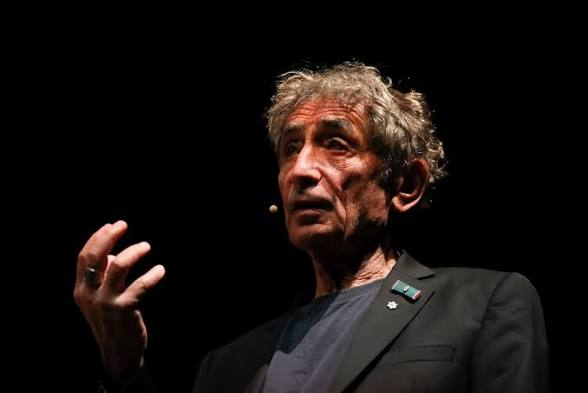
Trauma physician Gabor Mate frequently emphasizes that many behaviors people criticize in themselves once served an important purpose.
This perspective can be profoundly helpful.
Instead of asking:
“What is wrong with me?”A more useful question may be:”What happened that taught my nervous system to respond this way?”
This shift encourages curiosity rather than self judgment.Furthermore, self compassion often supports healing more effectively than harsh self criticism.
Related Articles
What Is Real Depression? How Clinical Depression Is Different?
Gaslighting in Relationships: How Manipulation Works?
Can Narcissism Be Treated? Understanding Recovery, Therapy, and Clinical Reality
Radical Acceptance in Narcissistic Relationships
How Narcissists Are Made: The Psychology Behind It
What is Narcissism? Meaning, Traits, and Psychology
Covert Narcissism: Signs, Traits, and Hidden Behaviors
Malignant Narcissist: Signs, Traits, and Toxic Behaviors
FAQs
Not exactly. Survival mode is a state in which the nervous system remains focused on detecting and responding to perceived threats. Anxiety can be one part of this experience, but survival mode may also involve hypervigilance, emotional numbness, irritability, difficulty relaxing, sleep problems, or feeling constantly “on edge.” Someone can experience survival-mode patterns without meeting the criteria for an anxiety disorder.
Yes. Prolonged stress, instability, neglect, abuse, or feeling unsafe during childhood can shape how the nervous system responds to stress later in life. When the brain learned early on that the environment was unpredictable or unsafe, it may remain highly alert even when the person is no longer in that environment. However, childhood experiences are not the only possible cause; ongoing stress and traumatic experiences in adulthood can also contribute.
Absolutely. Survival mode is not always obvious from the outside. A person may have a successful career, relationships, or financial stability while internally feeling exhausted, hypervigilant, emotionally disconnected, or unable to slow down. Sometimes achievement itself becomes a coping strategy for example, constantly working to avoid feelings of insecurity or inadequacy.
There is no fixed timeline. Recovery depends on factors such as the source and duration of the stress, whether the person is currently safe, available support, coping patterns, and individual circumstances. Some people notice improvements relatively quickly after reducing ongoing stress, while deeper patterns may take much longer to change. Recovery is usually gradual rather than a sudden switch from “survival” to “normal.” If these symptoms are significantly affecting daily life, working with a qualified mental-health professional can be helpful.
References
- The Body Keeps the Score. Bessel van der Kolk. The Body Keeps the Score: Brain, Mind, and Body in the Healing of Trauma. Penguin Books, 2014.
- Stephen Porges. The Polyvagal Theory: Neurophysiological Foundations of Emotions, Attachment, Communication, and Self-Regulation. W. W. Norton & Company, 2011.
- Bruce D. Perry, and Oprah Winfrey. What Happened to You? Conversations on Trauma, Resilience, and Healing. Flatiron Books, 2021.
- American Psychological Association. Resources on stress, trauma, resilience, and mental health.
- National Institute of Mental Health. Information on stress, anxiety, trauma, and coping.
- Substance Abuse and Mental Health Services Administration. Concept of Trauma and Guidance for a Trauma-Informed Approach.
- World Health Organization. Mental health and stress-related resources.
Reviewed by Ainna Ross
This article is grounded in published psychological research and my own experience recovering from narcissistic abuse. Read more about my background. It's for educational purposes only and isn't a substitute for professional diagnosis or care.
Need support right now? In the US, call or text 988 (Suicide & Crisis Lifeline). In the UK, call Samaritans free on 116 123. If you're in immediate danger, contact your local emergency services.

Thank you for the truth. I can’t believe how much I needed this article. Maybe there is a possibility that I can save myself. Maybe I’m not alone. I’m hanging on to the hope that understanding awareness of living in survival mode all this time means that I can take some action to make myself better.
Thank you I want to keep things private