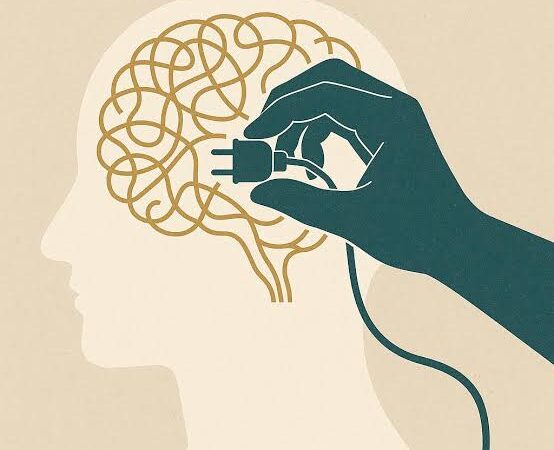
Living in Survival Mode
Living in survival mode often feels like you’re constantly reacting to life instead of truly living it. In psychology, survival mode refers to a state…

Living in survival mode often feels like you’re constantly reacting to life instead of truly living it. In psychology, survival mode refers to a state…
What Is Real Depression? Real depression, also known as clinical depression or major depressive disorder, is a mental health condition that causes lasting changes in…
Guilt tripping is one of the most common yet misunderstood forms of emotional manipulation. While many people associate manipulation with obvious control tactics, guilt tripping…
Gaslighting in relationships is one of the most damaging forms of psychological manipulation. Unlike overt abuse, gaslighting often develops gradually. As a result, many people…
Understanding the signs of narcissism can help people recognize unhealthy relationship patterns, improve emotional awareness, and better understand complex personality traits. 1. Inflated Sense of…
Can Narcissism Be Treated? Many people ask an important question: can narcissism be treated? The answer is complex because narcissism exists on a spectrum. Some…
A malignant narcissist goes beyond the typical need for admiration — combining manipulation, aggression, and a complete absence of empathy into one of the most emotionally damaging personality patterns. They may appear charming at first, but over time their need for control and power reveals itself in ways that leave lasting psychological harm on those around them.
Covert narcissism doesn’t look like arrogance or dominance — it hides behind emotional sensitivity, withdrawal, and a quiet need for validation. Often misread as shyness or depth, these hidden patterns can quietly destabilize relationships and inner emotional life. Learning to recognize the signs is the first step toward understanding them.
Narcissism is far more than vanity or selfishness. At its core, it’s a psychological pattern rooted in emotional insecurity, an unstable sense of self-worth, and a deep dependence on external validation. Understanding what narcissism really means – its traits, hidden drivers, and impact on relationships – is the first step toward seeing it clearly.
Narcissism doesn’t appear out of nowhere – it develops slowly through early childhood experiences, emotional neglect, excessive praise, and unprocessed shame. Behind the behaviors people often judge lies a fragile inner world built on learned defenses and unmet emotional needs. Understanding the psychology behind how narcissists are made helps us see human behavior with greater clarity — and sometimes, compassion.