

Have you ever heard someone say, “I’m depressed because my favorite team lost,” or “I’m depressed that it’s Monday again”? This is different then real depression.
Today, statements like these have become part of everyday conversation. Although most people use them casually, they often blur the line between temporary disappointment and a genuine medical condition. As a result, many people misunderstand what real depression actually means.
Everyone experiences sadness at some point. People face heartbreak, failure, grief, disappointment, and stressful periods throughout life. These emotional reactions are completely normal. In fact, they help us process painful experiences, adjust to change, and gradually move forward.
However, “real depression” is fundamentally different.
It is not simply feeling sad for a few days. Nor is it laziness, weakness, or a negative attitude. Instead, it is a serious mental health disorder that affects emotions, thoughts, physical health, motivation, relationships, and even the way the brain processes information.
Because people often use the word “depression” so casually, those living with clinical depression frequently hear comments such as, “Just think positively,” “Everyone feels sad,” or “You simply need to stay busy.” While these remarks usually come from good intentions, they overlook the medical and psychological reality of the illness.
In this article, you’ll learn what “real depression” truly is, why it differs from ordinary sadness, what causes it, how psychologists and psychiatrists diagnose it, and which treatments have the strongest scientific support.
Whether you want to understand your own mental health or support someone you care about, learning the facts is an important first step.
What Is Real Depression?
Real depression, also known as clinical depression or major depressive disorder, is a mental health condition that causes lasting changes in mood, thinking, behavior, sleep, appetite, energy, and daily functioning.
Unlike temporary sadness, “real depression” affects nearly every part of a person’s life. In many cases, symptoms last for weeks or even months. Consequently, work, education, relationships, and personal care often become much more difficult.
Importantly, doctors do not diagnose depression after one bad day or one difficult week. Instead, mental health professionals evaluate a combination of symptoms, how long they have lasted, and how much they interfere with everyday life.
Many people feel surprised to learn that someone with depression can still go to work, care for children, and smile during social events. Although people sometimes call this high-functioning depression, it is not an official medical diagnosis. Even so, behind that outward appearance, the person may feel emotionally exhausted every single day.
Therefore, you cannot always recognize depression just by looking at someone.
Why Everyone Feels Sad but Not Everyone Has Depression
One of the biggest misconceptions is that sadness and depression are the same.
They are not.
Sadness is an emotion.
Depression is a medical disorder that affects emotional regulation, brain function, physical health, and behavior.
For example, imagine two people who both lose their jobs.
The first person feels devastated. They cry for several days, worry about finances, and question their future. Nevertheless, they slowly regain hope, update their resume, contact friends, attend interviews, and eventually recover emotionally.
Meanwhile, the second person has a very different experience. Even weeks later, getting out of bed feels impossible. Food no longer tastes enjoyable. Concentrating on simple tasks becomes difficult. Activities they once loved seem meaningless. Eventually, even basic self-care feels overwhelming.
Although both people faced the same event, only one developed “real depression”.
This example highlights an important principle in psychology.
Mental health professionals do not define depression only by what happens to someone. Instead, they examine how the illness changes a person’s ability to think, feel, function, and engage with life over an extended period.
A Story That Illustrates Real Depression
Consider Sarah, a fictional marketing manager in her early thirties.
From the outside, everything seemed to be going well. She had a stable career, supportive friends, financial security, and a loving family.
Yet over several months, something slowly changed.She stopped enjoying her morning coffee.Music no longer moved her.Weekend trips felt like obligations instead of opportunities.
Eventually, even getting dressed required enormous effort.At first, her friends assumed she was simply tired from work.
Some even suggested taking a vacation.So she tried.The scenery changed.The hotel changed.The weather changed.Her depression did not.
This story illustrates one of the defining characteristics of “real depression.Simply changing external circumstances rarely treats an illness that develops through biological, psychological, and social factors.
What Happens Inside the Brain During Real Depression?
For many years, researchers believed depression resulted from a simple shortage of serotonin.
Today, neuroscience offers a much broader understanding.Researchers now know that “real depression” involves several systems in the brain working differently from usual.
For example, communication between nerve cells may become less efficient. At the same time, the body’s stress response can become overactive.
In addition, brain regions responsible for emotion, memory, and decision-making may function differently.
Furthermore, inflammation, genetics, sleep disruption, chronic stress, hormonal changes, and early life experiences may all contribute to depression.Because depression develops differently in different people, symptoms can vary widely.
Some people sleep far more than usual.Others struggle with severe insomnia.Some lose their appetite.Others eat much more than normal.Some cry frequently.Others feel emotionally numb.
Rather than following one single cause, depression can develop through several pathways that produce similar symptoms.
Why Depression Is More Than Feeling Sad
Many people assume depression always involves constant crying.
Surprisingly, psychologists often hear something very different from their patients.
“I don’t even feel sad anymore.””I don’t feel anything.””I just exist.”These statements describe emotional numbness, one of the least understood symptoms of “real depression”.
Instead of overwhelming sadness, some people gradually lose the ability to experience pleasure.
Psychologists call this anhedonia.
As a result, activities that once brought excitement no longer create positive emotions.Birthdays feel ordinary.Vacations feel empty.Achievements bring little satisfaction.Relationships become emotionally distant.For many people, losing the ability to enjoy life becomes even more painful than sadness itself.
Eventually, they begin wondering whether they will ever feel like themselves again.
What Aaron T. Beck Discovered About Depression

One of the most influential figures in modern psychology is Aaron T. Beck.During the 1960s, Beck noticed that many people with depression shared similar patterns of thinking.
Many viewed themselves negatively.Many interpreted everyday events through a pessimistic lens.Many believed the future offered little hope.He called this pattern the cognitive triad.
These thinking patterns do more than reflect sadness. Instead, they often strengthen depression by shaping the way people interpret their experiences.
As a result of Beck’s work, Cognitive Behavioral Therapy (CBT) was developed. Today, CBT remains one of the most thoroughly researched psychological treatments for depression and has helped millions of people around the world.
Even so, Beck emphasized an important point that many people still misunderstand.
Depression does not develop because of negative thoughts alone.Instead, thoughts, emotions, behaviors, and biology continuously influence one another.
Together, these factors create a cycle that can either worsen depression or support recovery.Today, this balanced understanding continues to guide modern psychological treatment.
How Mental Health Professionals Diagnose Real Depression
Many people believe doctors can diagnose real depression with a blood test or a brain scan. However, that is not how the process works. Instead, psychologists and psychiatrists take time to understand a person’s symptoms, medical history, family history, daily life, and emotional well-being before making a diagnosis.
One bad day or a temporary emotional setback does not mean someone has depression. Rather, mental health professionals look for symptoms that continue for at least two weeks and seriously affect work, relationships, school, or everyday responsibilities.
To guide their decisions, clinicians use the Diagnostic and Statistical Manual of Mental Disorders (DSM-5). Even so, they never rely on a checklist alone. Instead, they consider the whole person because every individual experiences depression differently.
During an evaluation, a mental health professional may ask about mood, sleep, appetite, energy levels, concentration, physical health, relationships, work performance, substance use, and thoughts of self-harm. In addition, they may recommend a few medical tests to rule out conditions such as thyroid disease, vitamin deficiencies, or hormonal changes that can produce similar symptoms.
This careful approach helps people receive the right diagnosis and the most effective treatment.
Symptoms of Real Depression Go Far Beyond Feeling Sad
Real depression affects much more than emotions.
In fact, it can influence the way people think, feel, behave, and even care for themselves. Although everyone experiences depression differently, several symptoms appear frequently.
A low mood often lasts for most of the day and continues for weeks.
At the same time, many people lose interest in hobbies, friendships, or activities they once enjoyed.
Energy levels often fall dramatically. As a result, even simple tasks such as getting dressed, preparing a meal, or answering a message can feel exhausting.
Many people also struggle to concentrate. Reading a book, following a conversation, or making everyday decisions may suddenly become difficult.
Sleep habits often change as well. Some people sleep much more than usual, while others find it difficult to fall asleep or stay asleep.
Appetite can also change. Consequently, noticeable weight gain or weight loss may occur.
Many individuals develop persistent feelings of guilt, worthlessness, or hopelessness that seem impossible to control.
In more severe cases, people may begin thinking that life no longer feels worth living.
These symptoms do not reflect laziness or a lack of willpower. Instead, they result from changes that affect the brain, emotions, and the body together.
Why Real Depression Develops
Researchers no longer believe depression has one single cause. Instead, they understand that several factors work together. This approach is known as the biopsychosocial model, which explains how biological, psychological, and social factors interact throughout life.
Biological Factors Behind Real Depression
Genes can increase a person’s risk of developing depression. However, genetics never guarantee that someone will experience the illness.Researchers have also found that certain brain regions communicate differently during depressive episodes.
These changes affect emotional regulation, memory, and decision-making. Fortunately, they do not mean the brain is permanently damaged.Hormones also play an important role. For example, pregnancy, menopause, thyroid disorders, and long-term stress can all influence mood.
Although serotonin receives most of the public attention, scientists now know that depression involves several brain chemicals. These include serotonin, dopamine, norepinephrine, glutamate, and other important neurotransmitters.
Psychological Factors Behind Real Depression
Life experiences shape how people think about themselves and the world around them.
Childhood neglect, emotional abuse, bullying, traumatic events, long-term stress, or repeated disappointments can increase the risk of developing real depression later in life.
However, trauma does not always lead to depression. Many people recover from extremely difficult experiences without developing a mental illness. Even so, painful experiences can increase vulnerability when they combine with biological risk factors.
Psychologist Aaron T. Beck, the founder of Cognitive Behavioral Therapy, showed that persistent negative thinking patterns can keep depression going. People may automatically expect failure, rejection, or disappointment, even when little evidence supports those beliefs.
Social and Environmental Factors
People naturally need supportive relationships and a sense of belonging.
Unfortunately, chronic loneliness, financial stress, workplace burnout, discrimination, caregiving responsibilities, and social isolation can gradually increase the risk of depression.
Modern life also creates new challenges. Constant social media comparison, busy work schedules, poor sleep, and fewer face-to-face conversations can slowly affect mental well-being.
These experiences do not directly cause real depression on their own. Instead, they interact with biological and psychological factors to increase a person’s overall risk.
Different Types of Real Depression
Depression is not one single illness. Instead, mental health professionals recognize several forms, each with its own symptoms and treatment needs.
Major Depressive Disorder
This is the condition most people think about when they hear the term real depression. Symptoms last at least two weeks and significantly affect work, relationships, education, and daily life.
Persistent Depressive Disorder
Some people experience milder symptoms that continue for two years or even longer. Although the symptoms may seem less intense, they can still have a major impact on quality of life.
Seasonal Affective Disorder
Some individuals develop depression during certain seasons, especially in winter when daylight hours become shorter.
Postpartum Depression
After childbirth, some mothers develop a serious form of depression that goes far beyond the emotional changes many new parents experience. Professional support is essential for recovery.
Depression Linked to Medical Conditions
Several health conditions, including chronic pain, diabetes, thyroid disease, heart disease, neurological disorders, and cancer, can contribute to depressive symptoms. Therefore, doctors often work together to create the most effective treatment plan.
Recognizing these different forms reminds us that real depression is not the same for everyone. Each person deserves an individualized approach to care.
How Medication Helps Treat Real Depression
Many people wonder whether antidepressants actually work.The answer is yes, but they do not work in the way many people imagine.
Antidepressants are not “happy pills.” They cannot erase painful memories or instantly create happiness.
Instead, they help improve brain function, making it easier for people to benefit from therapy, healthy routines, and everyday activities.
Psychiatrists carefully consider symptom severity, previous treatments, medical history, and personal preferences before prescribing medication.
Several types of antidepressants are available.Selective Serotonin Reuptake Inhibitors (SSRIs) often serve as the first choice because they have strong evidence supporting both safety and effectiveness.
Serotonin-Norepinephrine Reuptake Inhibitors (SNRIs) may work well for people who also experience chronic pain or anxiety.
Other antidepressants use different mechanisms and may help when the first medication does not provide enough improvement.
Older medications, such as tricyclic antidepressants and monoamine oxidase inhibitors, still play an important role in certain situations.
However, doctors usually prescribe them only after carefully weighing their benefits and possible side effects.
Most antidepressants need several weeks before noticeable improvement begins. Therefore, people should never stop taking them suddenly without medical advice.
Medication works best when it becomes one part of a complete treatment plan instead of the only solution.
Why Therapy Remains One of the Most Effective Treatments
Medication can improve the biological side of depression.
However, it cannot teach healthier thinking patterns, improve relationships, or build coping skills.
That is where psychotherapy makes a real difference.One of the best-researched treatments is Cognitive Behavioral Therapy (CBT), developed by psychologist Aaron T. Beck. CBT teaches people how to recognize negative thoughts, challenge unhealthy beliefs, and replace them with more balanced ways of thinking.
Interpersonal Therapy focuses on strengthening relationships, improving communication, and resolving conflicts that may contribute to depression.
Behavioral Activation encourages people to slowly return to meaningful activities even when motivation feels low. Although the approach sounds simple, research shows it can significantly reduce depressive symptoms over time.People who have experienced trauma or long-term emotional difficulties may also benefit from other evidence-based therapies that match their individual needs.
Research consistently shows that combining psychotherapy with medication often produces better long-term results for moderate to severe real depression than using either treatment alone.
Most importantly, recovery does not depend on “trying harder.” It depends on receiving the right support, effective treatment, healthy daily habits, and compassionate care. With the right help, many people recover and go on to live meaningful, fulfilling lives.
Why Many People Hide Real Depression
One of the most misunderstood parts of real depression is that many people hide it well. Most people imagine someone with depression crying all the time, staying in bed all day, or avoiding everyone.
While some people do experience those symptoms, many others keep going with their daily lives.They go to work.They attend school.They care for their families.They even smile at social events.Because of this, many experts call depression an invisible illness.
A person may look successful on the outside while quietly fighting a painful battle inside. They may finish work on time, laugh with friends, and attend family gatherings. However, when they return home, they may feel emotionally drained, empty, or disconnected from life.
Mental health professionals often use the term masking. Although masking is not a medical diagnosis, it describes the effort people make to hide their emotional pain. Many people do this because they fear judgment or believe others will not understand.
Unfortunately, hiding depression takes a lot of energy. As a result, people often feel even more exhausted. It can also delay treatment because no one realizes they need help.
A Realistic Example That Many People Never Notice
Imagine a man Ahmed.
He owns a small business and is known as the cheerful person in his neighborhood. Every morning, he opens his shop on time, greets customers with a smile, and jokes with friends.
To everyone around him, he seems happy.However, people do not see what happens behind closed doors.Ahmed no longer enjoys his favorite hobbies. He wakes up tired every morning, even after sleeping. He forces himself to smile because he believes no one wants to hear about his struggles.
At night, he lies awake and wonders why he feels emotionally empty even though he has a loving family.Over time, his wife notices small changes. He rarely laughs naturally anymore. Family meals become quiet. Conversations grow shorter.
Eventually, he starts avoiding family gatherings because pretending has become too difficult.
Ahmed is not lazy.
He is not ungrateful.
He is living with real depression, but almost no one around him realizes it.Stories like Ahmed’s happen every day. They remind us that we cannot judge someone’s mental health by their appearance alone.
Common Myths About Real Depression
Many people still misunderstand real depression. As a result, they delay treatment or avoid asking for help. Therefore, it is important to separate myths from facts.
Myth One
Depression is just extreme sadness.
Fact
Sadness is only one symptom. Many people feel emotionally numb, easily irritated, physically tired, or unable to focus. Some people may not even describe themselves as sad.
Myth Two
Strong people do not get depression.
Fact
Depression can affect anyone. Doctors, teachers, athletes, business owners, scientists, artists, and military personnel can all experience depression.Mental illness has nothing to do with personal strength.
Myth Three
People with depression should simply think positively.
Fact
Positive thinking alone cannot treat real depression. The condition usually develops because of a mix of biological, psychological, and social factors.Although healthy thinking habits can help, most people recover best through a combination of therapy, medication when needed, healthy lifestyle changes, and support from family and friends.
Myth Four
Depression medication changes your personality.
Fact
Properly prescribed antidepressants do not change who you are. Instead, they help reduce symptoms that make daily life difficult.In fact, many people say treatment helps them feel like themselves again.
What Recovery From Real Depression Really Looks Like
Movies often show recovery as one dramatic moment.
Real life is usually much different.Most people improve little by little.
First, they may sleep a little better.Then, they may have enough energy to make breakfast.
Later, they may enjoy talking with family again.After some time, they may return to hobbies they once loved.
Recovery is rarely a straight path.Some weeks feel hopeful.Other weeks feel harder.Even so, setbacks do not mean treatment has failed.
Instead, recovery is like climbing a mountain. Some parts of the journey are steep, while others feel easier.
Even when progress seems slow, people continue moving forward.This realistic view helps people stay patient and hopeful.
Lifestyle Habits That Support Recovery
Lifestyle changes cannot cure real depression on their own. However, they can make professional treatment more effective.
Regular Physical Activity
Exercise supports both the brain and the body.Walking, swimming, cycling, or strength training can improve mood, reduce stress, and increase energy.
The goal is not perfection.Instead, focus on being consistent.Even 20 to 30 minutes of moderate exercise several days each week can make a real difference.
Healthy Sleep Habits
Sleep and depression affect each other.Poor sleep often makes emotional struggles worse.At the same time, depression can make it harder to sleep well.Keeping a regular bedtime, limiting screen time before bed, and treating sleep problems can improve both physical and emotional health.
Balanced Nutrition
No single food can cure real depression.However, eating more vegetables, fruits, whole grains, beans, fish, nuts, and healthy fats supports overall brain health.A healthy diet works best alongside professional treatment.
Social Connection
Depression often makes people want to isolate themselves.
Unfortunately, isolation usually makes symptoms worse.Instead, staying connected with trusted friends or family can provide comfort and encouragement.
Sometimes, one honest conversation becomes the first step toward healing
What Positive Psychology Can Teach Us
Psychologist Martin Seligman helped build the field of positive psychology.
However, he never claimed that positive thinking alone could cure real depression.Instead, his research showed that meaning, strong relationships, personal strengths, gratitude, and purposeful activities help people build better mental well-being.
These ideas become especially helpful after treatment begins to reduce depression symptoms.Positive psychology does not replace medical care.Instead, it helps people rebuild a meaningful and satisfying life.
Finding Meaning During Recovery
Psychiatrist Viktor Frankl survived the Holocaust and later shared an important lesson.
He believed that people can endure great hardship when they find meaning in their lives.His work does not suggest that meaning cures real depression.
Instead, it reminds us that recovery involves more than reducing symptoms.People also need hope.They need purpose.They need close relationships.They need reasons to keep moving forward.
Today, many therapists use these ideas to help people reconnect with their values, goals, and meaningful activities.

Supporting Someone With Real Depression
Many family members want to help, but they are not sure what to say.
The best place to start is by listening.Instead of saying,”You’ll get over it.
“Try saying,”I’m here to listen.”Instead of saying,”Other people have it worse.
“Try saying,”I can see you’re struggling, and I’m glad you told me.
“Avoid offering quick solutions to a complex illness.Instead, encourage the person to speak with a mental health professional if symptoms continue.
Sometimes, simply offering to go with them to their first appointment can make asking for help much easier.Kindness, patience, and understanding often matter more than having the perfect words.
When Should Someone Seek Professional Help?
Everyone experiences difficult times.
However, people should seek professional help if symptoms last for several weeks, interfere with work or relationships, or make everyday tasks harder.
People should also get immediate help if they have thoughts of hurting themselves or believe life is no longer worth living.Early treatment often leads to better recovery.
On the other hand, waiting until symptoms become severe usually makes the journey more difficult.
Just as people seek medical care for chest pain or a high fever, they should also seek professional care for real depression.Mental health deserves the same care, attention, and respect as physical health
How Real Depression Differs Across Children, Teenagers, Adults, and Older Adults
Although the core symptoms of real depression remain similar, the condition does not look exactly the same at every stage of life. Age influences how depression develops, how symptoms appear, and even how people communicate emotional distress. Understanding these differences helps parents, teachers, healthcare professionals, and family members recognize depression earlier and provide appropriate support.
Real Depression in Children
Many people assume young children are too carefree to develop depression. In reality, children can experience real depression, although they often express it differently than adults.
Instead of saying they feel hopeless or emotionally empty, children may become unusually irritable or angry. Some complain of frequent headaches or stomachaches even when medical examinations find no physical cause. Others lose interest in playing with friends, struggle at school, or become unusually clingy with parents.
Younger children often lack the vocabulary to describe complicated emotions. As a result, emotional pain may appear through changes in behavior rather than spoken words.For example, an eight year old who once loved drawing may suddenly refuse to participate in art class.
Parents might assume the child has simply developed a new interest. However, if this change occurs alongside sleep problems, persistent sadness, social withdrawal, and declining school performance, professional evaluation becomes important.Early intervention is especially valuable because untreated childhood depression can affect emotional development, academic achievement, and future relationships.
Real Depression in Teenagers
Adolescence naturally brings emotional ups and downs. Hormonal changes, academic pressure, social expectations, and identity development all contribute to changing moods.
However, real depression extends far beyond normal teenage moodiness.Teenagers with depression often become increasingly withdrawn from family and friends. Their grades may decline despite previous academic success.
Many lose motivation for activities they once enjoyed, including sports, music, or hobbies.Unlike adults, teenagers frequently express depression through irritability rather than obvious sadness. Parents may notice frequent arguments, anger, frustration, or emotional outbursts.Some adolescents also engage in risky behaviors, including substance misuse, reckless driving, or self harming behaviors.
These actions sometimes reflect attempts to cope with overwhelming emotional pain rather than simple rebellion.Because suicide remains one of the leading causes of death among adolescents worldwide, persistent depressive symptoms should always receive prompt professional attention.
Real Depression in Adults
For adults, depression often affects nearly every aspect of daily life.Work performance may decline because concentration becomes difficult. Household responsibilities begin feeling overwhelming. Relationships suffer as communication decreases and emotional closeness fades.
Many adults describe waking each morning already exhausted despite sleeping through the night. Others continue working while feeling emotionally disconnected from everything around them.
Financial responsibilities, parenting, caregiving, and workplace stress often complicate recovery because many adults feel unable to pause their responsibilities while seeking treatment.Consequently, adults sometimes delay asking for help until symptoms become severe.
Real Depression in Older Adults
Unfortunately, older adults are sometimes told that sadness naturally accompanies retirement, chronic illness, or losing loved ones. While grief and adjustment are common, real depression remains a treatable medical condition regardless of age.
Older adults may experience fewer complaints about sadness and more physical symptoms such as chronic pain, fatigue, slowed movement, memory problems, or loss of appetite.Some families mistakenly assume these symptoms represent normal aging or early dementia.
In reality, depression can sometimes resemble cognitive decline. Fortunately, proper treatment often improves both mood and thinking abilities.Older adults also face unique risk factors, including social isolation, reduced independence, chronic illness, bereavement, and medication interactions.
Because depression frequently goes unrecognized in this age group, regular mental health screening plays an important role in maintaining overall well being.
Depression in Men Versus Women
Depression affects both men and women. However, research consistently shows important differences in how symptoms develop, how people respond to emotional distress, and how often they seek professional treatment.
Recognizing these differences helps reduce stigma and encourages earlier intervention.
How Depression Commonly Appears in Women
Women receive a diagnosis of depression approximately twice as often as men. Researchers believe several factors contribute to this difference, including hormonal fluctuations, reproductive events, genetic influences, social expectations, and higher rates of certain traumatic experiences.
Women with real depressionoften report persistent sadness, feelings of guilt, hopelessness, excessive worry, emotional sensitivity, changes in appetite, sleep disturbances, and frequent crying.Hormonal transitions may also influence vulnerability during puberty, pregnancy, the postpartum period, and menopause.
Importantly, hormones alone do not cause depression. Instead, they interact with genetics, life experiences, stress, physical health, and environmental factors.
Many women also carry multiple caregiving responsibilities while balancing careers, parenting, and family obligations. Chronic stress associated with these roles may increase emotional strain in vulnerable individuals.
How Depression Commonly Appears in Men
Men experience real depression just as women do. However, they often express it differently.Instead of openly describing sadness, many men become increasingly irritable, frustrated, emotionally distant, or easily angered.
Some immerse themselves in work, excessive exercise, gambling, alcohol use, or other risky behaviors as a way of avoiding painful emotions.Societal expectations also play an important role.
Many boys grow up hearing messages such as “Be strong,” “Don’t cry,” or “Handle your problems yourself.” Over time, these beliefs may discourage emotional expression and delay treatment.
As a result, many men seek professional help only after depression has significantly affected their work, relationships, or physical health.Although women receive depression diagnoses more frequently, men have higher suicide completion rates in many countries.
Researchers believe delayed help seeking, access to more lethal methods, substance misuse, and cultural expectations surrounding masculinity all contribute to this concerning pattern.
More Similar Than Different
Although depression sometimes appears differently in men and women, the similarities remain greater than the differences.
Both can experience overwhelming sadness.Both can lose interest in life.Both may struggle with concentration, sleep, appetite, and hopelessness.
Both deserve compassionate, evidence based care.Mental illness does not discriminate based on gender, age, profession, education, or financial status. A
Most importantly, recovery is possible for everyone when they receive timely support and appropriate treatment.
Books That Offer Valuable Insights Into Depression
If you would like to explore this topic further, several highly respected books provide thoughtful and evidence based perspectives.
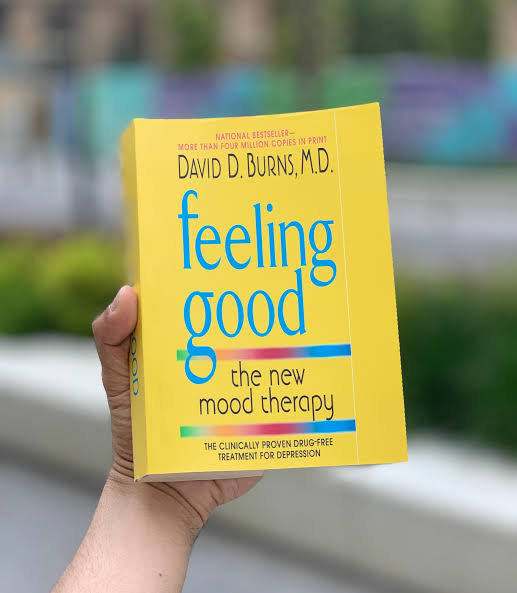
Feeling Good: The New Mood Therapy
This classic introduces many principles of cognitive behavioral therapy in language that most readers can easily understand. It remains one of the most widely recommended self help books for depression.
The Noonday Demon
Part memoir and part investigative journalism, this book combines scientific research with deeply personal stories about living with depression. It offers one of the most comprehensive explorations of the illness available to general readers.

Man’s Search for Meaning
Although this book is not specifically about depression, it explores resilience, suffering, and the search for purpose. Its psychological insights continue to influence therapists around the world.

Lost Connections
This book examines social, psychological, and environmental contributors to depression while encouraging readers to think beyond overly simplistic explanations.

Reading these books should never replace professional treatment. However, they can help readers better understand the many dimensions of real depression.
What Research Continues to Teach Us
Mental health research has advanced dramatically during the past several decades.Scientists now recognize that depression cannot be explained by a single cause or treated with a single solution.Instead, recovery often requires an individualized approach that considers biological factors, psychological patterns, relationships, physical health, lifestyle, and personal history.
Researchers continue investigating genetics, inflammation, gut brain communication, brain imaging, digital mental health tools, and newer treatment approaches.
This growing body of evidence reminds us that depression is one of the most carefully studied conditions in modern medicine. Every year, clinicians gain new knowledge that improves diagnosis and treatment.
Final Analysis
The casual use of the word “depression” has unintentionally created confusion.Feeling disappointed after a difficult day is part of being human.Feeling heartbroken after losing someone you love is also a normal emotional response.
However, real depression is something fundamentally different.It is a recognized medical condition that changes how people think, feel, sleep, concentrate, work, and experience the world around them.
Most importantly, depression is treatable.Modern psychology and psychiatry offer effective therapies, medications, and evidence based strategies that have helped millions of people recover.
If you recognize yourself or someone you care about in the experiences described throughout this article, remember that seeking help is not a sign of weakness.It is one of the strongest and most courageous decisions a person can make.
No one should have to face real depression alone.With appropriate treatment, compassionate support, and patience, recovery is possible, and hope can gradually return.
Related Articles
Gaslighting in Relationships: How Manipulation Works?
Can Narcissism Be Treated? Understanding Recovery, Therapy, and Clinical Reality
How Narcissists Are Made: The Psychology Behind It
What is Narcissism? Meaning, Traits, and Psychology
Malignant Narcissist: Signs, Traits, and Toxic Behaviors
Covert Narcissism: Signs, Traits, and Hidden Behaviors
FAQs
It can feel like persistent sadness, emptiness, hopelessness, emotional numbness, or a loss of interest in things you once enjoyed.
Yes. Depression isn’t always visible. Someone may laugh, work, socialize, and appear completely fine while struggling internally.
No. Sadness is a normal emotion that usually passes. Depression can affect mood, motivation, sleep, appetite, concentration, energy, and daily functioning
Yes. Depression doesn’t always have an obvious cause. It can develop through a combination of biological, psychological, and environmental factors.
Yes. A person may withdraw because social interaction feels exhausting, overwhelming, or difficult even when they desperately want connection.
If symptoms persist, interfere with daily life, or become difficult to manage, talking to a qualified mental health professional is a good step.
References
- National Institute of Mental Health (NIMH) — Depression
- World Health Organization (WHO) — Depression
- NHS — Depression in adults: Symptoms
- American Psychiatric Association — DSM-5-TR Updates
Reviewed by Ainna Ross
This article is grounded in published psychological research and my own experience recovering from narcissistic abuse. Read more about my background. It's for educational purposes only and isn't a substitute for professional diagnosis or care.
